Great design isn’t about making things pretty. It’s about making them feel right.
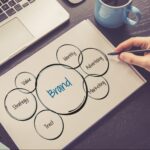
In marketing, success rarely comes from just having the best product or the lowest price. It often comes down to how your brand is experienced. People don’t just buy based on logic. They buy based on feeling. And in those first few seconds of interaction, it’s not words that convince them. It’s what feels right.
Too often, visual presentation is treated as decoration and something added at the end to “make it look nice.” But in reality, it plays a central role in shaping how your brand is perceived, how your message is received, and whether people decide to engage or walk away.
Have you ever noticed how your eyes instantly gravitate toward a well–designed product, website, or ad? That’s not a coincidence. Good design has a psychological impact that shapes the way we think, feel, and act. Walk by any store.You know instantly if it feels right. You might not be able to explain why… but you know.
That’s the power of a good design.
And in today’s fast-moving digital world, where people decide in seconds, that feeling matters more than ever.
But why exactly are we so drawn to it?
It’s not Just looks – It’s trust.
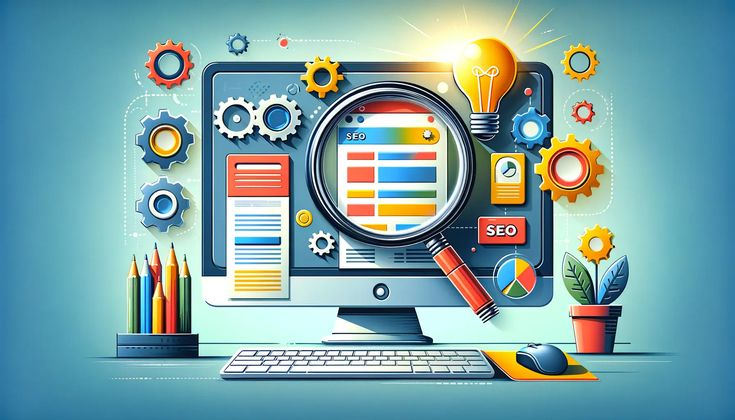
When something looks clean, balanced, and easy to understand, your brain relaxes. You feel like you’re in good hands. And whether you realize it or not, you’re more likely to stay, explore, and engage.
More than just aesthetic
Good design makes things easier to use,easier to understand,easier to remember.
It guides the eye, sets the mood, and tells your story without needing a single word.
And it’s a big part of why people choose one brand over another.
Studies show that users form an opinion about a website in under 50 milliseconds. That’s faster than a blink. That’s why design isn’t just decoration. It’s the first impression. A clean, balanced, and visually appealing style immediately builds trust and credibility. On the other hand, poor appearance creates doubt even if the product or service is high quality.
Design speaks without words
Good style is more than aesthetics, it’s communication. Shapes, colors, typography, and spacing all send subtle signals that influence perception. For example:
- Blue tones often suggest reliability.
- Minimalist layouts convey modernity.
- Bold contrasts grab attention.
This silent language connects emotionally with the audience before they even start reading.
Without a single word, design says:
- This is safe.
- This is premium.
- This is fun.
- This is serious.
Ever notice how luxury brands often use black, gold, and serif fonts? Those visual cues tell you the product is high-end before you even look at the price.
“Simplicity, carried to an extreme, becomes elegance.” – John Franklin
You can write the best headline. You can target the right audience. You can craft the smartest funnel.
But if the design doesn’t support the story — visually, emotionally, and functionally — your marketing won’t reach its full potential.
Visual identity isn’t separate from marketing. It is marketing.
It’s the handshake before the pitch.
The feeling before the facts.
The mood before the message.
Intuition over decoration
When something is designed well, users often don’t even notice the design — it simply guides them, supports them, and makes their experience effortless. Think about the apps or tools you use every day. The ones you love most probably don’t overwhelm you with flashy graphics. Instead, they’re intuitive, responsive, and feel like an extension of your own thinking.
So next time you plan a campaign or launch a product, don’t treat design as an afterthought.
Treat it as your first impression , because that’s exactly what it is.